


Login


More details

Blog

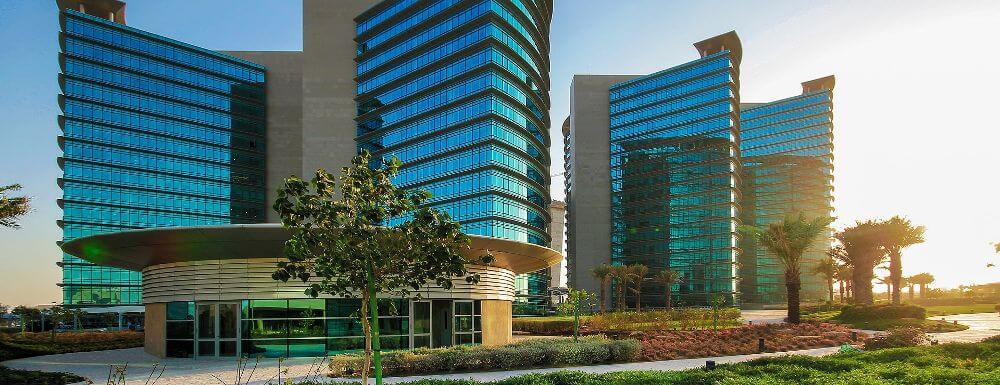
Life Cycle Assessment (LCA) training was delivered at Riyadh’s Saudi Electricity Company (SEC)
Modern glass office buildings with green landscaping.
Life Cycle Assessment (LCA) training was delivered at Riyadh’s Saudi Electricity Company (SEC)

We are pleased at DEISO to announce that we have successfully delivered an on-site training program for the Life Cycle Assessment (LCA) at the Saudi Electricity Company (SEC) headquarters in Riyadh city. The training was attended by 16 managers, engineers, and employers. The on-site LCA training program was designed for five business days and took place between July 9th and July 13th, 2023. -Learn more about our LCA training programs here: 

Read more
1000 385 DEISO
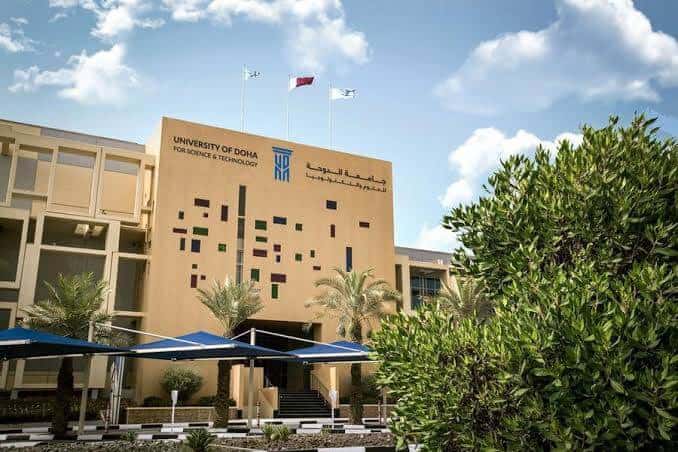
DEISO delivered on-site training at at the University of Doha for Science and Technology – UDST (Qatar)
University of Doha building with trees and flags.
DEISO delivered on-site training at at the University of Doha for Science and Technology – UDST (Qatar)

DEISO provided on-site training at the University of Doha for Science and Technology – UDST (Qatar) (

Read more
678 452 DEISO
Suadi Electricity Company’s 5-day ESG on-site training was successfully delivered through DEISO
Saudi Electricity, Deiso logos and ESG blocks.
Suadi Electricity Company’s 5-day ESG on-site training was successfully delivered through DEISO

May 12th, 2023: DEISO LLC has successfully completed an advanced Environmental, social and governance (ESG) training program of on-site training at our client, the Saudi Arabia Electricity Company (SEC), located in Riyadh city. The participants of the successful course came from a variety of backgrounds. They held positions ranging from one director to twelve managers to three engineers. Visit this link to learn more about our ESG training program:

Read more
1448 1024 DEISO
Chemical Synthesis from Carbon Dioxide (CO2)
Hand holds test tube with chemical formulas overlay.
Chemical Synthesis from Carbon Dioxide (CO2)

/*! elementor - v3.23.0 - 05-08-2024 */ .elementor-heading-title{padding:0;margin:0;line-height:1}.elementor-widget-heading .elementor-heading-title>a{color:inherit;font-size:inherit;line-height:inherit}.elementor-widget-heading .elementor-heading-title.elementor-size-small{font-size:15px}.elementor-widget-heading .elementor-heading-title.elementor-size-medium{font-size:19px}.elementor-widget-heading .elementor-heading-title.elementor-size-large{font-size:29px}.elementor-widget-heading .elementor-heading-title.elementor-size-xl{font-size:39px}.elementor-widget-heading .elementor-heading-title.elementor-size-xxl{font-size:59px}Background Natural atmospheric amounts of carbon dioxide, a colorless gas, range from 0 to 5%. It comprises three atoms: a linear molecule with no net dipole moment is formed by two oxygen atoms bound to one carbon atom. It is formulated in these means: (1) aerobic creatures like people and animals mainly produce it during respiration. Still, it may also be generated during combustion or the microbial…

Read more
1448 1024 DEISO
What is The Difference Between Biogenic and Non-Biogenic Carbon?
Colorful science equipment illustration with flasks and microscope.
What is The Difference Between Biogenic and Non-Biogenic Carbon?

/*! elementor - v3.23.0 - 05-08-2024 */ .elementor-heading-title{padding:0;margin:0;line-height:1}.elementor-widget-heading .elementor-heading-title>a{color:inherit;font-size:inherit;line-height:inherit}.elementor-widget-heading .elementor-heading-title.elementor-size-small{font-size:15px}.elementor-widget-heading .elementor-heading-title.elementor-size-medium{font-size:19px}.elementor-widget-heading .elementor-heading-title.elementor-size-large{font-size:29px}.elementor-widget-heading .elementor-heading-title.elementor-size-xl{font-size:39px}.elementor-widget-heading .elementor-heading-title.elementor-size-xxl{font-size:59px}Overview Given it serves as the building block for all organic compounds, carbon is one of the most significant elements on Earth. Through its capacity to store and transport energy and nutrients between biotic (living) and abiotic (non-living) components, carbon plays a crucial function in environmental systems. Biogenic carbon, which comes from living things, and non-biogenic carbon, which comes from non-living things like fossil fuels or geological…

Read more
1366 768 DEISO
What is Allocation and System Expansion in Life Cycle Assessment (LCA)
Person holding transparent mechanical gears
What is Allocation and System Expansion in Life Cycle Assessment (LCA)

environmental impacts on its parts or activities. It is used in LCA when a product or system consists of several parts or processes. It is necessary to attribute each one's environmental impacts to it. Allocation is a crucial step in System expansion is taking into account the externalities of a system or product while evaluating it. Externalities are environmental impacts that aren't directly linked to how a system or product is made or used. Still, they nevertheless have the potential…

Read more
1448 1024 DEISO
Briefing: What is Life Cycle Working Environment (LCWE)
People working in a modern office setting.
Briefing: What is Life Cycle Working Environment (LCWE)

/*! elementor - v3.23.0 - 05-08-2024 */ .elementor-heading-title{padding:0;margin:0;line-height:1}.elementor-widget-heading .elementor-heading-title>a{color:inherit;font-size:inherit;line-height:inherit}.elementor-widget-heading .elementor-heading-title.elementor-size-small{font-size:15px}.elementor-widget-heading .elementor-heading-title.elementor-size-medium{font-size:19px}.elementor-widget-heading .elementor-heading-title.elementor-size-large{font-size:29px}.elementor-widget-heading .elementor-heading-title.elementor-size-xl{font-size:39px}.elementor-widget-heading .elementor-heading-title.elementor-size-xxl{font-size:59px}Overview A workplace where workers can advance and change during their employment is called a life cycle working

Read more
1448 1024 DEISO
Carbon Capture and Utilization (CCU) and its Technologies
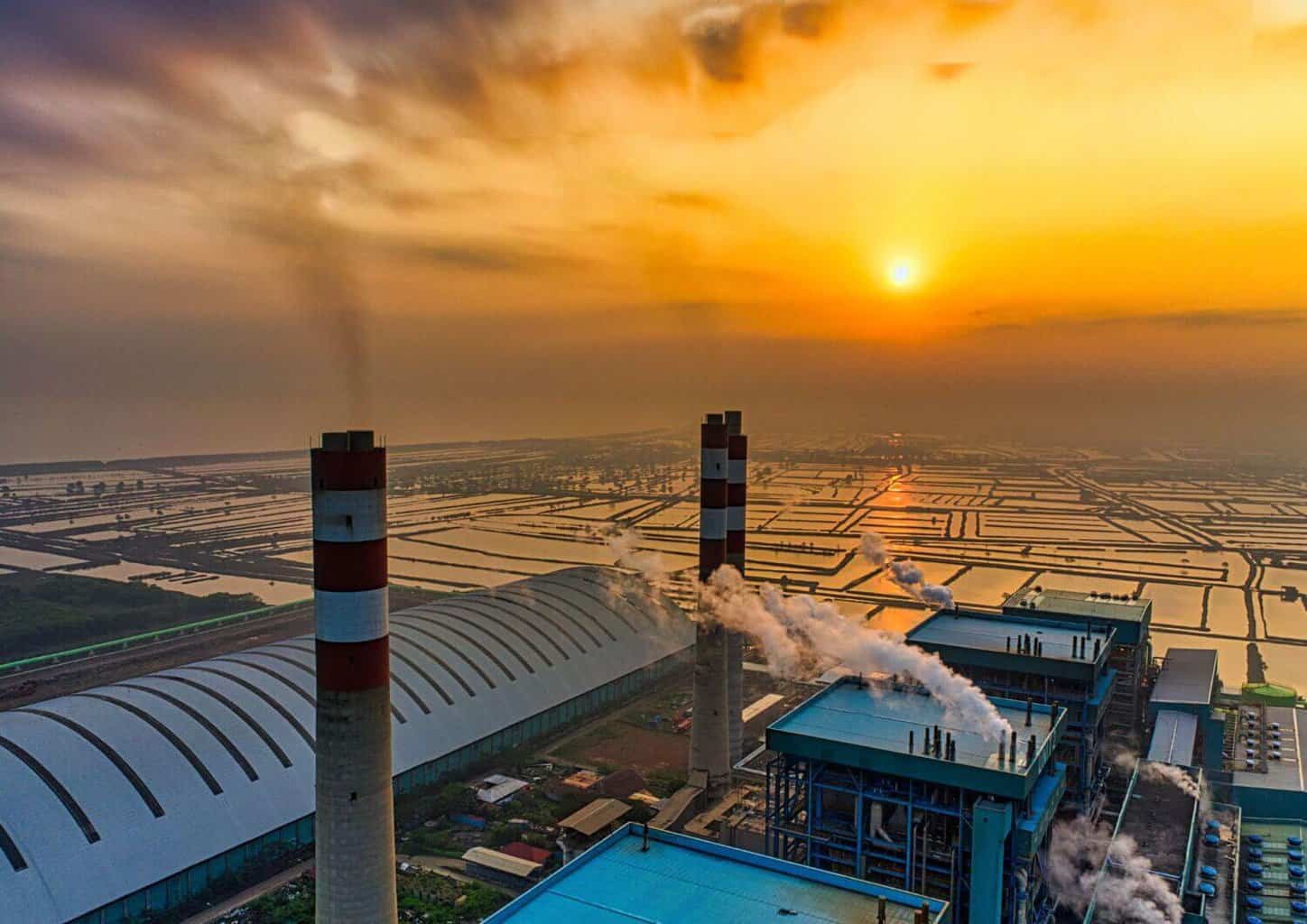
Industrial plant with smokestacks at sunset.
Carbon Capture and Utilization (CCU) and its Technologies

/*! elementor - v3.23.0 - 05-08-2024 */ .elementor-heading-title{padding:0;margin:0;line-height:1}.elementor-widget-heading .elementor-heading-title>a{color:inherit;font-size:inherit;line-height:inherit}.elementor-widget-heading .elementor-heading-title.elementor-size-small{font-size:15px}.elementor-widget-heading .elementor-heading-title.elementor-size-medium{font-size:19px}.elementor-widget-heading .elementor-heading-title.elementor-size-large{font-size:29px}.elementor-widget-heading .elementor-heading-title.elementor-size-xl{font-size:39px}.elementor-widget-heading .elementor-heading-title.elementor-size-xxl{font-size:59px}Overview Due to the combustion of fossil fuels and other human activities increasing greenhouse gas emissions, the world is now experiencing an unprecedented climatic catastrophe. One of the most promising methods to lower these gas emissions and lessen the consequences of climate change is to use carbon capture and utilization (CCU) technology. Extracting carbon dioxide from industrial sources, such as steel mills, power plants, and other industrial facilities,…

Read more
1448 1024 DEISO
Briefing: What is Life Cycle Cost Analysis (LCCA)
Person calculating budget with financial charts.
Briefing: What is Life Cycle Cost Analysis (LCCA)

/*! elementor - v3.23.0 - 05-08-2024 */ .elementor-heading-title{padding:0;margin:0;line-height:1}.elementor-widget-heading .elementor-heading-title>a{color:inherit;font-size:inherit;line-height:inherit}.elementor-widget-heading .elementor-heading-title.elementor-size-small{font-size:15px}.elementor-widget-heading .elementor-heading-title.elementor-size-medium{font-size:19px}.elementor-widget-heading .elementor-heading-title.elementor-size-large{font-size:29px}.elementor-widget-heading .elementor-heading-title.elementor-size-xl{font-size:39px}.elementor-widget-heading .elementor-heading-title.elementor-size-xxl{font-size:59px}Introduction A typical technique for examining a product's entire cost of ownership, which includes the price of purchase, usage, maintenance, and disposal, is life cycle cost analysis (LCCA), also known as Life Cycle Costing (LCC). The total cost of ownership will be analyzed to find the most cost-effective choice. This approach may be used for product design and operation, buying choices, and sustainability assessments of goods and…

Read more
1448 1024 DEISO
Subscribe

You can refer to the Newsletter Subscription Policy.


Start Typing

Contact Info.

English Address:
Level 21 Shiodome Shibarikyu Building
1-2-3 Kaigan, Minato-ku
105-0022 Tokyo, Japan.

Japanese Address:
〒105-0022 東京都港区海岸1-2-3
汐留芝離宮ビルディング21階, 合同会社DEISO.

Phone (JP): 03-5403-6479 / 0488-72-6373
Phone (EN): 070-6969-7700
Fax: 03-5403-6475 / 0488-72-6373
Email: info@dei.so

Latest News

🆘 DEISO Quick Help & Support Center

🛠️ How to Seek Help from the DEISO Website

🔍 Search Assistance
  • Use Ctrl+Shift+D on any Windows or Mac device to launch our global site search with autocomplete.
  • On both desktop and mobile, click the search icon at the left center edge of the screen to open the same powerful search tool.
  • For detailed exploration, visit our Advanced Search page:
    👉 https://dei.so/advanced-search

🤖 Ask AI for Instant Support

💬 Connect with the DEISO Team

📧 Email Us

🧾 Submit a Support Ticket

📶 Check Platform & Website Status

📚 Need More Help?
  • Visit our Frequently Asked Questions (FAQ):
    👉 https://dei.so/faq
  • Explore our full Help Center:
Toggle Dark Mode