

Lead GHG verifier training
Contabilidad de GHG and carbon reporting training (Scopes 1–3)
From the standards and the gases to the verification opinion.
18 hours of modules and 3 hours of case studies, in sessions of three hours.
Timed exercises in every module, with a student answer book.
CO2, CH4, N2O, HFCs, PFCs, SF6 and NF3, each calculated on its own.
Todos los precios de esta página corresponden a formación remota en línea. La formación presencial en sus instalaciones y la formación fuera de las instalaciones en Japón tienen un precio superior y se cotizan bajo solicitud.
Precio de la formación
Precios transparentes para la formación remota, con opciones de certificación y otros formatos.
El examen y la certificación son opcionales y conllevan una tarifa adicional.
La formación presencial en las instalaciones del cliente y fuera de ellas se ofrece bajo presupuesto y previa solicitud.
Sobre este programa de formación
This program builds the capability to calculate, report, and verify the greenhouse gas inventory of an organisation across Scope 1, Scope 2, and Alcance 3, for all seven greenhouse gases and gas groups.
Participants first build the inventory themselves: boundaries and base year, activity data and factores de emisión, combustion, fugitive and process emissions, purchased energy, and the value chain. Every method comes with its formula, a worked example, and a timed exercise, with the mass of each gas calculated first and the conversion to CO2e last.
They then take the position of the lead verifier: agreeing the level of assurance and materiality, assessing the risk of misstatement, planning and gathering evidence, evaluating misstatements, and choosing the form of the opinion.
Twelve modules run across 18 hours, in six sessions of three hours. A seventh session of three hours works three complete case studies, in oil and gas, chemicals, and cement.
This program works at the level of the organisation. If your work is huellas de carbono de producto, la Alcance 3 emissions and de la huella de carbono de producto program is the closer fit.
Qué abarca el programa
GHG accounting and the standards
- Protocolo de GHG Corporate Standard, Scope 2 Guidance, and Alcance 3 Standard
- ISO 14064-1 for the inventory and ISO 14064-3 for verification
- The status of the standards in November 2026, including ISO 14064-5:2026
All seven greenhouse gases
- CO2, CH4, N2O, HFCs, PFCs, SF6, and NF3, each in its own column
- GWP values of the IPCC Sixth Assessment Report, with the two values for methane
- Conversion to CO2e, refrigerant blends, and the effect of the GWP set
Data and emission factors
- Activity data, evidence, and fuel consumed from purchases and stocks
- Emission factor tiers and the unit chain from fuel to gas
- Data quality and the GHG information system
Scope 1 calculations
- Stationary and mobile combustion, with CO2, CH4, and N2O
- Fugitive emissions: mass balances for refrigerants and SF6, venting, and flaring
- Process emissions: cement, hydrogen, nitric acid, aluminium, and electronics
Scope 2 calculations
- Location-based and market-based methods, reported side by side
- Contractual instruments, their quality criteria, and the residual mix
- Purchased steam, heat, and cooling, and grid losses
Scope 3 calculations
- The 15 categories and how to screen them
- Supplier-specific, hybrid, average-data, and spend-based methods
- Use of sold products, calculated gas by gas
The inventory and the GHG report
- One table with sources in the rows and gases in the columns
- Uncertainty of a source and of the total
- Base year recalculation and the content of the report under ISO 14064-1
Verificación
- Level of assurance, materiality, and the risk of misstatement
- Evidence-gathering plan, sampling, recalculation, tracing, and retracing
- Evaluation of misstatements and the form of the opinion
Estructura de los módulos
-
Contabilidad de GHG, standards, and what is changing
- Inventory, de la huella de carbono de producto, and verification
- The standards map, the scopes, and the ISO categories
- The status of the standards in 2026
-
All gases, GWP, and CO2e maths
- The seven gases and gas groups
- The CO2e formula and the two values for methane
- Refrigerant blends and the choice of GWP set
-
Organisational and reporting boundaries, and the base year
- Equity share, financial control, and operational control
- Leased assets and the reporting boundary
- The base year and when to recalculate it
-
Activity data, factores de emisión, units, and data quality
- The basic equation and the three ways to quantify
- Emission factor tiers and default factors
- The unit chain, net and gross calorific value, and data quality
-
Scope 1: stationary combustion
- Natural gas, diesel, coal, and biomass, each with CO2, CH4, and N2O
- Fuel gas with a known composition
- Plants that sell heat and power
-
Scope 1: mobile combustion
- Fuel-based and distance-based methods
- Default factors for road transport
- Biofuel blends and what a verifier finds in fleets
-
Scope 1: fugitive emissions
- Refrigerants: mass balance, top-up, and screening methods
- SF6 in electrical equipment
- Methane from leaks, venting, and flaring
-
Scope 1: process emissions
- Cement: CO2 from calcination
- Hydrogen and methanol: the carbon balance
- Nitric acid N2O, aluminium PFCs, and NF3 in electronics
-
Scope 2: purchased electricity, steam, heat, and cooling
- Location-based and market-based calculations
- Contractual instruments and the residual mix
- Steam, heat, cooling, and transmission and distribution losses
-
Alcance 3: the value chain
- The 15 categories, screening, and minimum boundaries
- The four calculation methods, worked on purchased goods
- Transport, waste, travel, use of sold products, end of life, and investments
- Double counting inside Alcance 3 and with the other scopes
-
The inventory: consolidation, uncertainty, and the GHG report
- The inventory table for all gases and scopes
- Uncertainty, intensity, and change against the base year
- The GHG report, the GHG statement, and the criteria
-
Verification: from plan to opinion
- Parties, principles, and the level of assurance
- Strategic analysis, risk assessment, and the evidence-gathering plan
- Materiality, sampling, analytical testing, and site visits
- Misstatements, the types of opinion, and the independent review
Casos de estudio
- Oil and gas: flaring, venting, and fugitive methane, SF6 in switchgear, and the use of sold products
- Chemicals: a methanol plant, with the carbon balance of the process and both Scope 2 methods
- Cement: calcination, kiln fuels with a biogenic share, and biogenic CO2 shown separately
Preguntas frecuentes
What this Contabilidad de GHG and carbon reporting training covers, how it is structured, which standards it references, and how sessions are run.
Qué podrán hacer los participantes
Participants completing the program will be able to:
- Calculate Scope 1, Scope 2, and Alcance 3 emissions for all seven greenhouse gases, in mass of gas and in CO2e
- Apply the right GWP value, including the two values for methane
- Set organisational and reporting boundaries, and decide when a base year is recalculated
- Select factores de emisión and convert activity data from any common unit
- Run mass balances for refrigerants and SF6, and calculate venting, flaring, and process emissions
- Report Scope 2 with both methods, and screen and calculate the Alcance 3 categorías
- Assemble the inventory with its uncertainty and the content of the GHG report
- Evaluar la calidad, integridad y trazabilidad de los datos
- Plan a verification: level of assurance, materiality, risk assessment, and sampling
- Recalculate reported emissions and quantify misstatements
- Evaluate misstatements against materiality and choose the form of the opinion
Estructura de la formación
The training runs as a professional program of 12 modules and three case studies, combining:
- The standards and the foundations of greenhouse gas accounting
- Calculation methods with formulas and worked examples for every gas
- Timed exercises in every module, 25 in total, with a student answer book
- The verification process, from the plan to the opinion
- Three industry case studies, each closing with a full inventory
La formación puede impartirse:
- A distancia, mediante sesiones online en directo
- Presencialmente en las instalaciones del cliente
- Fuera de las instalaciones, en Japón
The program takes 21 hours: six sessions of three hours for the 12 modules, and one session of three hours for the case studies. Each session includes a 15-minute break, and the sessions are scheduled according to your preferences.
Problemas que esta formación ayuda a resolver
Las organizaciones y los profesionales suelen afrontar retos como:
- Lack of internal expertise to calculate and evaluate GHG inventories
- Inventories that count CO2 and leave out methane, N2O, and the fluorinated gases
- Difficulty assessing Alcance 3 emissions data reliability
- Conocimiento limitado de los flujos de trabajo de verificación
- Documentación incoherente que respalda los cálculos de emisiones
- Mayor escrutinio normativo sobre el reporte de emisiones
- Creciente demanda de divulgación creíble de emisiones
The training builds the calculation and review capabilities needed to prepare, examine, and verify greenhouse gas reporting.
Normas metodológicas abordadas
The training references the frameworks used in greenhouse gas accounting and verification:
- Protocolo de GHG — Corporate Standard, Scope 2 Guidance, and Alcance 3 Standard
- ISO 14064-1:2018 — quantification and reporting at the level of the organisation
- ISO 14064-3:2019 — verification and validation of GHG statements
- ISO 14065:2020 and ISO 14066:2023 — verification bodies and the competence of teams
- ISO 14064-5:2026 — verification activities carried out remotely
- IPCC — default emission factors and the GWP values of the Sixth Assessment Report
The focus is the practical application of these standards: participants calculate complete inventories and test them as a verifier would. The standards are taught as they stand in November 2026, and texts that are still in revision are marked as drafts.
Casos de estudio utilizados en la formación
Three case studies apply the modules to complete inventories, one hour each:
- Petróleo y gas — flaring, venting, and fugitive methane, SF6 in switchgear, and the use of sold products
- Productos químicos — a methanol plant, with the carbon balance of the process and both Scope 2 methods
- Cemento — calcination, kiln fuels with a biogenic share, and biogenic CO2 shown separately
Each case closes with one inventory table for all seven gases and with the questions of the lead verifier. Participants receive each case as an exercise without answers, and the worked solution after the session.
A quién se dirige esta formación
The program is built for professionals working in:
- Equipos de sostenibilidad y reporte climático
- Departamentos de contabilidad ambiental y de carbono
- Funciones de gestión ambiental industrial
- Empresas de consultoría que prestan servicios de asesoramiento climático
- Corporativas ESG y equipos de sostenibilidad
- Funciones de investigación relacionadas con el análisis del clima y las emisiones
Los sectores que más se benefician incluyen:
- Petróleo y gas
- Productos químicos
- Fabricación
- Energía
- Cadenas de suministro industriales
Formatos de formación
The program can be run in three formats:
Sesiones online en directo por videoconferencia.
Formación impartida directamente en las instalaciones de la organización.
Formación impartida en Japón en un entorno de aprendizaje específico.
Opción de certificado
El certificado acredita la finalización del DEISO training program and the associated assessment. It is not a formal accreditation.
Participants may choose to take an optional examination after completing the training. The assessment covers greenhouse gas accounting principles, the calculation of an inventory for all gases, and verification methods.
El examen se centra en la capacidad para:
- Calculate Scope 1, Scope 2, and Alcance 3 emissions and convert them to CO2e
- Interpretar y evaluar inventarios organizacionales de GHG
- Revisar las fuentes de datos de emisiones, la documentación y la trazabilidad
- Identify misstatements and methodological issues in emissions reporting
- Apply structured verification principles and procedures
La opción está disponible para participantes que asistan a sesiones a distancia, presenciales o fuera de las instalaciones. Las tasas del examen y del certificado se cobran por separado.
Oportunidades profesionales
The program builds capability in greenhouse gas accounting, emissions inventory calculation and review, and climate reporting assessment. Participants may apply these competencies in roles such as:
- Revisor de inventarios de GHG — evaluate inventarios de gases de efecto invernadero prepared by organisations and assess data quality, methodological consistency, and completeness of reported emissions
- Especialista en contabilidad de carbono — support organisations in calculating and reviewing Scope 1, Scope 2, and Alcance 3 emissions and improving internal carbon accounting practices
- Analista de informes climáticos — assist sustainability and ESG teams in evaluating emissions disclosures and strengthening the credibility of climate-related reporting
- Profesional de verificación ambiental — revisar la documentación de emisiones, evaluar las metodologías de cálculo e identificar riesgos o incoherencias en los datos de emisiones reportados
- Consultor de sostenibilidad — asesorar a las organizaciones sobre sistemas de reporte de gases de efecto invernadero, marcos de contabilidad de emisiones y mejoras en las prácticas de gestión del carbono
Por qué elegir DEISO para GHG verificación la formación
DEISO runs specialised professional training in sustainability, análisis de ciclo de vida, y gestión de gases de efecto invernadero.
La formación está diseñada e impartida por profesionales experimentados en sostenibilidad con experiencia en metodologías de evaluación ambiental y análisis de sostenibilidad industrial.
Organisations that have taken part in DEISO training programs include companies and institutions across the energy, industrial, and academic sectors.
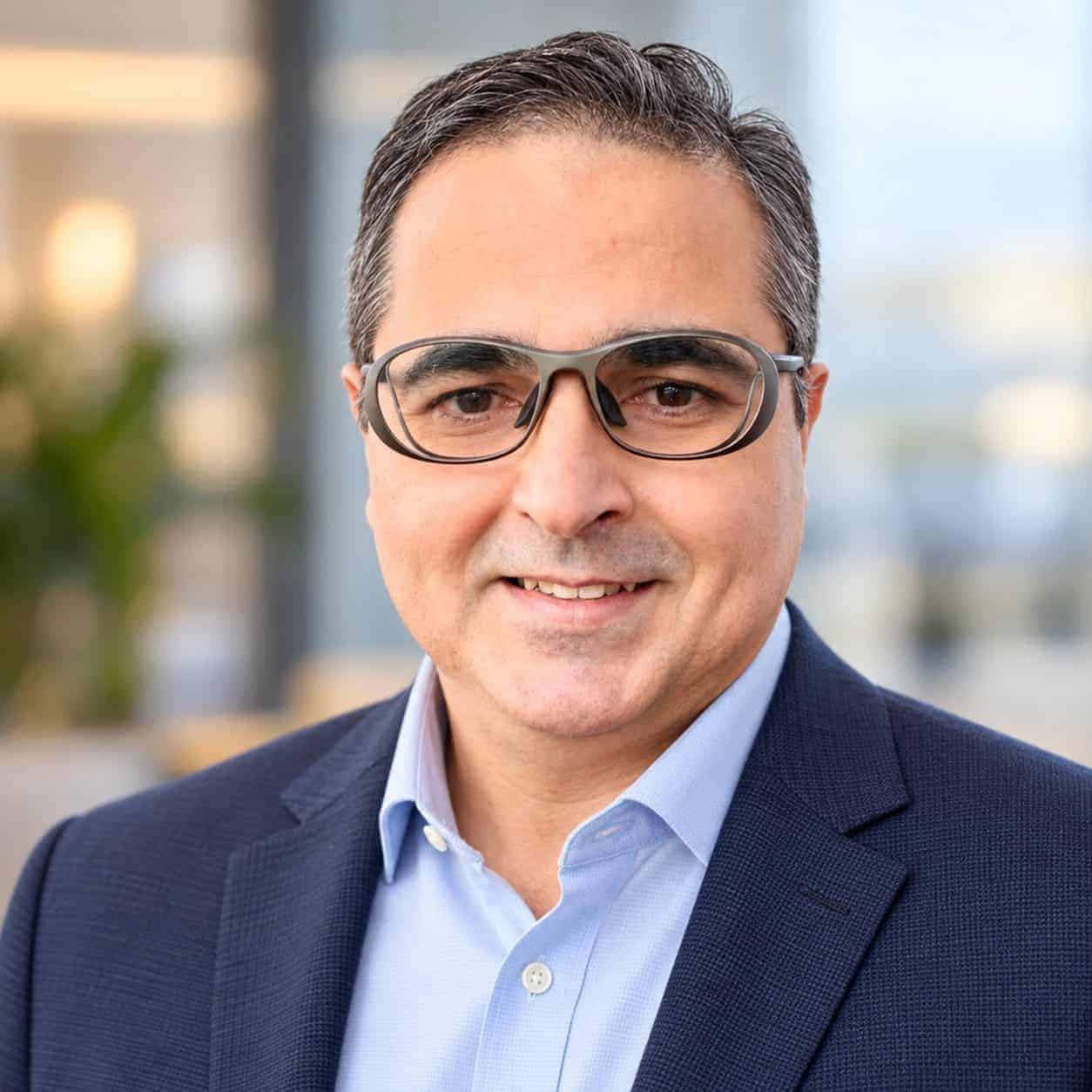
Dr. Mahdi Ikhlayel, doctorado en Ciencias de la Sostenibilidad
Director de Sostenibilidad Arquitecto de Sistemas de SostenibilidadEl Dr. Mahdi Ikhlayel es DEISO’s Sustainability Director in Japan, and the lead expert consultant and trainer behind DEISO’s greenhouse gas accounting, análisis de ciclo de vida, and sustainability training programs.
He holds a PhD, Sustainability Science from the University of Tokyo and combines academic research with industry consulting experience in environmental sustainability, análisis de ciclo de vida, y análisis de sistemas ambientales.
Con más de 13 años de experiencia profesional, ha trabajado en el ámbito académico y empresarial, incluyendo puestos de investigación en la Universidad de Tohoku y la Universidad Ritsumeikan en Japón, y puestos de consultoría en Estados Unidos.
He is the architect of this training program: 12 modules and three case studies that take participants from the first invoice to the verification opinion. It covers the calculation of Scope 1, Scope 2, and Alcance 3 for all seven greenhouse gases, the standards as they stand in 2026, and the work of the lead verifier, with a formula, a worked example, and a timed exercise for every method.
He also leads DEISO’de análisis de ciclo de vida training, taught with SimaPro, openLCA, y LCA para expertos (GaBi), and its training on declaraciones ambientales de producto. Análisis de ciclo de vida is the method behind the upstream and downstream factores de emisión that Alcance 3 relies on, so the two subjects are taught from one base.
También contribuye a la comunidad científica como revisor por pares de revistas internacionales, entre ellas Journal of Cleaner Production, Resources, Conservation & Recycling, y Gestión de residuos.
- Doctorado en Ciencias de la Sostenibilidad — Universidad de Tokio
- Director de Sostenibilidad y Arquitecto de Sistemas de Sostenibilidad — DEISO, Japón
- Program architect — this GHG program: 12 modules, 25 exercises and three case studies
- Instructor principal — Contabilidad de GHG and verification, análisis de ciclo de vida, y declaraciones ambientales de producto
- Más de 13 años en consultoría de sostenibilidad y ciclo de vida
- Exinvestigador — Universidad de Tohoku y Universidad Ritsumeikan
- Consultoría internacional — Japón y Estados Unidos
- Revisor por pares — revistas líderes en ciencias ambientales