

Lead GHG verifier training
GHG 회계 and carbon reporting training (Scopes 1–3)
From the standards and the gases to the verification opinion.
18 hours of modules and 3 hours of case studies, in sessions of three hours.
Timed exercises in every module, with a student answer book.
CO2, CH4, N2O, HFCs, PFCs, SF6 and NF3, each calculated on its own.
이 페이지의 모든 가격은 원격 온라인 교육. 에 적용됩니다. 귀사 현장에서 진행하는 대면 교육 및 일본에서 진행하는 외부 교육은 더 높은 가격이 적용되며, 요청 시 견적을 제공합니다.
교육 비용
인증 및 기타 형식 옵션을 포함한 원격 교육의 투명한 가격 정책.
시험 및 인증은 선택 사항이며 추가 비용이 발생합니다.
현장 및 외부 교육은 견적 기반으로 제공되며 요청 시 이용할 수 있습니다.
교육 프로그램 소개
This program builds the capability to calculate, report, and verify the greenhouse gas inventory of an organisation across Scope 1, Scope 2, and Scope 3, for all seven greenhouse gases and gas groups.
Participants first build the inventory themselves: boundaries and base year, activity data and 배출계수, combustion, fugitive and process emissions, purchased energy, and the value chain. Every method comes with its formula, a worked example, and a timed exercise, with the mass of each gas calculated first and the conversion to CO2e last.
They then take the position of the lead verifier: agreeing the level of assurance and materiality, assessing the risk of misstatement, planning and gathering evidence, evaluating misstatements, and choosing the form of the opinion.
Twelve modules run across 18 hours, in six sessions of three hours. A seventh session of three hours works three complete case studies, in oil and gas, chemicals, and cement.
프로그램 내용
GHG accounting and the standards
- GHG 프로토콜 Corporate Standard, Scope 2 Guidance, and Scope 3 스탠다드
- ISO 14064-1 for the inventory and ISO 14064-3 for verification
- The status of the standards in November 2026, including ISO 14064-5:2026
All seven greenhouse gases
- CO2, CH4, N2O, HFCs, PFCs, SF6, and NF3, each in its own column
- GWP values of the IPCC Sixth Assessment Report, with the two values for methane
- Conversion to CO2e, refrigerant blends, and the effect of the GWP set
Data and emission factors
- Activity data, evidence, and fuel consumed from purchases and stocks
- Emission factor tiers and the unit chain from fuel to gas
- Data quality and the GHG information system
Scope 1 calculations
- Stationary and mobile combustion, with CO2, CH4, and N2O
- Fugitive emissions: mass balances for refrigerants and SF6, venting, and flaring
- Process emissions: cement, hydrogen, nitric acid, aluminium, and electronics
Scope 2 calculations
- Location-based and market-based methods, reported side by side
- Contractual instruments, their quality criteria, and the residual mix
- Purchased steam, heat, and cooling, and grid losses
Scope 3 calculations
- The 15 categories and how to screen them
- Supplier-specific, hybrid, average-data, and spend-based methods
- Use of sold products, calculated gas by gas
The inventory and the GHG report
- One table with sources in the rows and gases in the columns
- Uncertainty of a source and of the total
- Base year recalculation and the content of the report under ISO 14064-1
검증
- Level of assurance, materiality, and the risk of misstatement
- Evidence-gathering plan, sampling, recalculation, tracing, and retracing
- Evaluation of misstatements and the form of the opinion
모듈 구성
-
GHG 회계, standards, and what is changing
- Inventory, 제품 탄소발자국, and verification
- The standards map, the scopes, and the ISO categories
- The status of the standards in 2026
-
All gases, GWP, and CO2e maths
- The seven gases and gas groups
- The CO2e formula and the two values for methane
- Refrigerant blends and the choice of GWP set
-
Organisational and reporting boundaries, and the base year
- Equity share, financial control, and operational control
- Leased assets and the reporting boundary
- The base year and when to recalculate it
-
Activity data, 배출계수, units, and data quality
- The basic equation and the three ways to quantify
- Emission factor tiers and default factors
- The unit chain, net and gross calorific value, and data quality
-
Scope 1: stationary combustion
- Natural gas, diesel, coal, and biomass, each with CO2, CH4, and N2O
- Fuel gas with a known composition
- Plants that sell heat and power
-
Scope 1: mobile combustion
- Fuel-based and distance-based methods
- Default factors for road transport
- Biofuel blends and what a verifier finds in fleets
-
Scope 1: fugitive emissions
- Refrigerants: mass balance, top-up, and screening methods
- SF6 in electrical equipment
- Methane from leaks, venting, and flaring
-
Scope 1: process emissions
- Cement: CO2 from calcination
- Hydrogen and methanol: the carbon balance
- Nitric acid N2O, aluminium PFCs, and NF3 in electronics
-
Scope 2: purchased electricity, steam, heat, and cooling
- Location-based and market-based calculations
- Contractual instruments and the residual mix
- Steam, heat, cooling, and transmission and distribution losses
-
Scope 3: the value chain
- The 15 categories, screening, and minimum boundaries
- The four calculation methods, worked on purchased goods
- Transport, waste, travel, use of sold products, end of life, and investments
- Double counting inside Scope 3 and with the other scopes
-
The inventory: consolidation, uncertainty, and the GHG report
- The inventory table for all gases and scopes
- Uncertainty, intensity, and change against the base year
- The GHG report, the GHG statement, and the criteria
-
Verification: from plan to opinion
- Parties, principles, and the level of assurance
- Strategic analysis, risk assessment, and the evidence-gathering plan
- Materiality, sampling, analytical testing, and site visits
- Misstatements, the types of opinion, and the independent review
사례 연구
- Oil and gas: flaring, venting, and fugitive methane, SF6 in switchgear, and the use of sold products
- Chemicals: a methanol plant, with the carbon balance of the process and both Scope 2 methods
- Cement: calcination, kiln fuels with a biogenic share, and biogenic CO2 shown separately
자주 묻는 질문
What this GHG 회계 and carbon reporting training covers, how it is structured, which standards it references, and how sessions are run.
참가자가 수행할 수 있는 업무
Participants completing the program will be able to:
- Calculate Scope 1, Scope 2, and Scope 3 emissions for all seven greenhouse gases, in mass of gas and in CO2e
- Apply the right GWP value, including the two values for methane
- Set organisational and reporting boundaries, and decide when a base year is recalculated
- Select 배출계수 and convert activity data from any common unit
- Run mass balances for refrigerants and SF6, and calculate venting, flaring, and process emissions
- Report Scope 2 with both methods, and screen and calculate the Scope 3 카테고리
- Assemble the inventory with its uncertainty and the content of the GHG report
- 데이터 품질, 완전성 및 추적성 평가
- Plan a verification: level of assurance, materiality, risk assessment, and sampling
- Recalculate reported emissions and quantify misstatements
- Evaluate misstatements against materiality and choose the form of the opinion
교육 구성 방식
The training runs as a professional program of 12 modules and three case studies, combining:
- The standards and the foundations of greenhouse gas accounting
- Calculation methods with formulas and worked examples for every gas
- Timed exercises in every module, 25 in total, with a student answer book
- The verification process, from the plan to the opinion
- Three industry case studies, each closing with a full inventory
교육은 다음 방식으로 운영할 수 있습니다:
- 실시간 온라인 원격 세션
- 고객사 사업장 현장 교육
- 일본 현지 오프사이트 교육
The program takes 21 hours: six sessions of three hours for the 12 modules, and one session of three hours for the case studies. Each session includes a 15-minute break, and the sessions are scheduled according to your preferences.
이 교육이 해결하는 과제
조직과 전문가는 다음과 같은 과제에 자주 직면합니다:
- Lack of internal expertise to calculate and evaluate GHG inventories
- Inventories that count CO2 and leave out methane, N2O, and the fluorinated gases
- Difficulty assessing Scope 3 emissions data reliability
- 검증 워크플로에 대한 이해 부족
- 배출량 산정을 뒷받침하는 문서의 불일치
- 배출량 보고에 대한 규제 감독 강화
- 신뢰할 수 있는 배출량 공시에 대한 수요 증가
The training builds the calculation and review capabilities needed to prepare, examine, and verify greenhouse gas reporting.
다루는 방법론 표준
The training references the frameworks used in greenhouse gas accounting and verification:
- GHG 프로토콜 — Corporate Standard, Scope 2 Guidance, and Scope 3 스탠다드
- ISO 14064-1:2018 — quantification and reporting at the level of the organisation
- ISO 14064-3:2019 — verification and validation of GHG statements
- ISO 14065:2020 and ISO 14066:2023 — verification bodies and the competence of teams
- ISO 14064-5:2026 — verification activities carried out remotely
- IPCC — default emission factors and the GWP values of the Sixth Assessment Report
The focus is the practical application of these standards: participants calculate complete inventories and test them as a verifier would. The standards are taught as they stand in November 2026, and texts that are still in revision are marked as drafts.
교육에서 활용하는 사례 연구
Three case studies apply the modules to complete inventories, one hour each:
- 석유 및 가스 — flaring, venting, and fugitive methane, SF6 in switchgear, and the use of sold products
- 화학 — a methanol plant, with the carbon balance of the process and both Scope 2 methods
- 시멘트 — calcination, kiln fuels with a biogenic share, and biogenic CO2 shown separately
Each case closes with one inventory table for all seven gases and with the questions of the lead verifier. Participants receive each case as an exercise without answers, and the worked solution after the session.
교육 대상
The program is built for professionals working in:
- 지속가능성 및 기후 보고팀
- 환경 및 탄소 회계 부서
- 산업 환경관리 직무
- 기후 자문 서비스를 제공하는 컨설팅 기업
- 기업 ESG 및 지속가능성 팀
- 기후 및 배출량 분석을 담당하는 연구 직무
특히 다음 산업 분야에 유용합니다:
- 석유 및 가스
- 화학
- Manufacturing
- 에너지
- 산업 공급망
교육 형식
The program can be run in three formats:
화상회의를 통한 실시간 온라인 세션입니다.
조직의 시설에서 직접 진행하는 교육입니다.
전용 학습 환경을 갖춘 일본 현지에서 진행하는 교육입니다.
인증서 옵션
인증서는 DEISO training program and the associated assessment. It is not a formal accreditation.
Participants may choose to take an optional examination after completing the training. The assessment covers greenhouse gas accounting principles, the calculation of an inventory for all gases, and verification methods.
시험은 다음 역량을 중점적으로 평가합니다:
- Calculate Scope 1, Scope 2, and Scope 3 emissions and convert them to CO2e
- 조직 GHG 인벤토리 해석 및 평가
- 배출량 데이터 출처, 문서 및 추적성 검토
- Identify misstatements and methodological issues in emissions reporting
- Apply structured verification principles and procedures
이 옵션은 원격, 현장 또는 오프사이트 세션에 참여하는 모든 참가자에게 제공됩니다. 시험 및 수료증 비용은 별도입니다.
경력 개발 기회
The program builds capability in greenhouse gas accounting, emissions inventory calculation and review, and climate reporting assessment. Participants may apply these competencies in roles such as:
- GHG 인벤토리 검토자 — evaluate 온실가스 인벤토리 prepared by organisations and assess data quality, methodological consistency, and completeness of reported emissions
- 탄소 회계 전문가 — support organisations in calculating and reviewing Scope 1, Scope 2, and Scope 3 emissions and improving internal carbon accounting practices
- 기후 보고 분석가 — assist sustainability and ESG teams in evaluating emissions disclosures and strengthening the credibility of climate-related reporting
- 환경 검증 전문가 — 배출량 문서를 검토하고 산정 방법론을 평가하며 보고된 배출량 데이터의 리스크 또는 불일치 식별
- 지속가능성 컨설턴트 — 온실가스 보고 시스템, 배출량 회계 프레임워크 및 탄소 관리 관행 개선에 대해 조직에 자문
선택해야 하는 이유 DEISO 위한 GHG 검증을 교육
DEISO runs specialised professional training in sustainability, 전과정평가(LCA), 온실가스 관리도 다룹니다.
본 교육은 환경 평가 방법론과 산업 지속가능성 분석에 전문성을 갖춘 숙련된 지속가능성 전문가가 설계하고 운영합니다.
Organisations that have taken part in DEISO training programs include companies and institutions across the energy, industrial, and academic sectors.
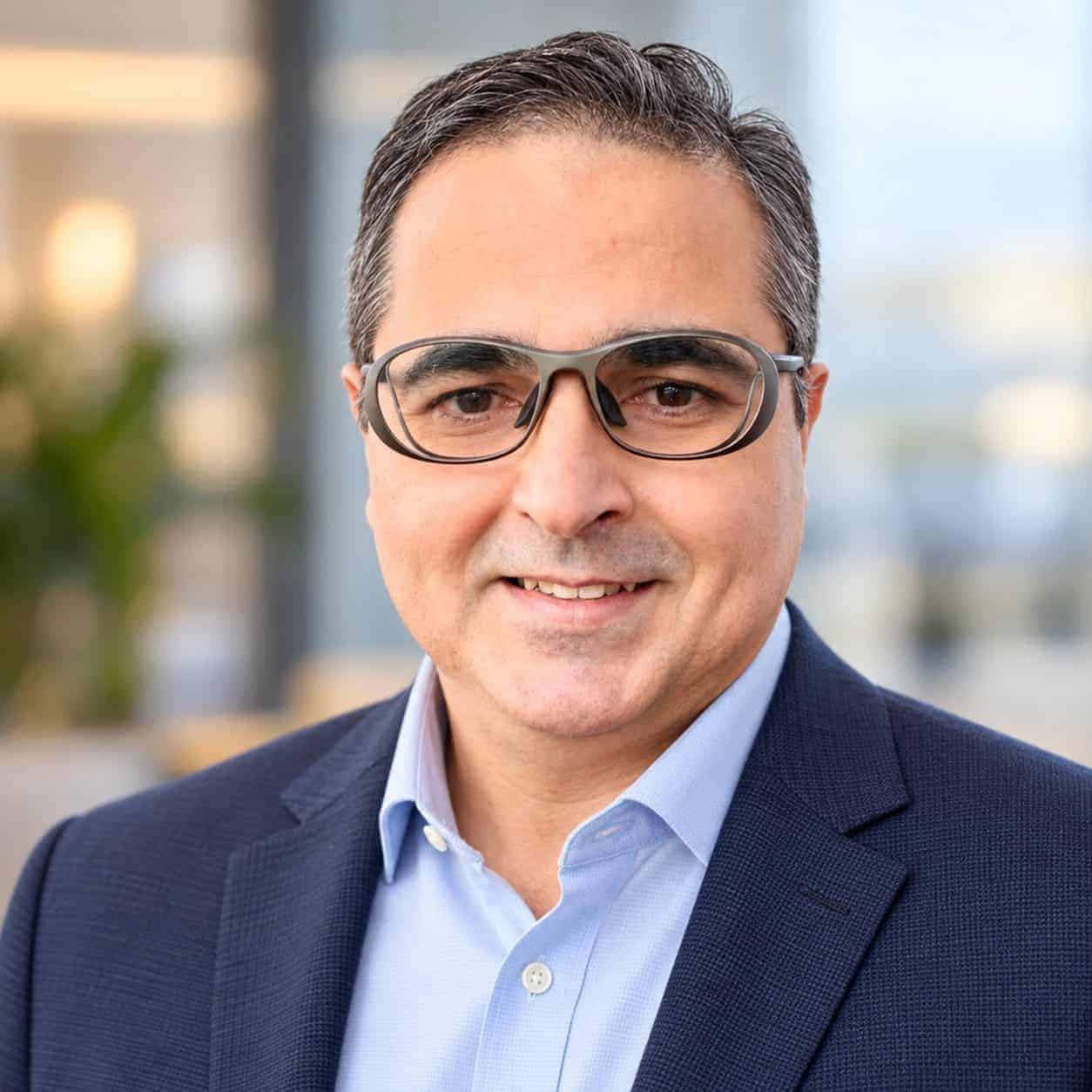
박사 Mahdi Ikhlayel, 지속가능성 과학 박사
지속가능성 총괄 지속가능성 시스템 아키텍트Dr. Mahdi Ikhlayel는 DEISO’s Sustainability Director in Japan, and the lead expert consultant and trainer behind DEISO’s greenhouse gas accounting, 전과정평가(LCA), and sustainability training programs.
He holds a PhD, Sustainability Science from the University of Tokyo and combines academic research with industry consulting experience in environmental sustainability, 전과정평가(LCA), 환경 시스템 분석 분야에서도 전문성을 갖추고 있습니다.
13년 이상의 전문 경력을 바탕으로 학계와 산업계에서 활동했으며, 일본 도호쿠대학교와 리쓰메이칸대학교에서의 연구직과 미국에서의 컨설팅 업무를 포함한 다양한 경험을 보유하고 있습니다.
He is the architect of this training program: 12 modules and three case studies that take participants from the first invoice to the verification opinion. It covers the calculation of Scope 1, Scope 2, and Scope 3 for all seven greenhouse gases, the standards as they stand in 2026, and the work of the lead verifier, with a formula, a worked example, and a timed exercise for every method.
He also leads DEISO’의 전과정평가(LCA) training, taught with SimaPro, openLCA, 및 LCA for Experts (GaBi), and its training on 환경성적표지. 전과정평가(LCA) is the method behind the upstream and downstream 배출계수 that Scope 3 relies on, so the two subjects are taught from one base.
또한 다음을 포함한 국제 학술지의 동료 심사위원으로서 과학계에 기여하고 있습니다 Journal of Cleaner Production, Resources, Conservation & Recycling, 및 폐기물 관리.
- 지속가능성 과학 박사 — 도쿄대학교
- 지속가능성 디렉터 및 지속가능성 시스템 아키텍트 — DEISO, 일본
- Program architect — this GHG program: 12 modules, 25 exercises and three case studies
- 수석 강사 — GHG 회계 and verification, 전과정평가(LCA), 및 환경성적표지
- 13년 이상 지속가능성 및 전과정 컨설팅 분야에서
- 전 연구원 — 도호쿠대학교 및 리쓰메이칸대학교
- 국제 컨설팅 — 일본 및 미국
- 동료 심사자 — 주요 환경과학 학술지