



More details

CO2

Chemical Synthesis from Carbon Dioxide (CO2)
Hand holds test tube with chemical formulas overlay.
Chemical Synthesis from Carbon Dioxide (CO2)

/*! elementor - v3.23.0 - 05-08-2024 */ .elementor-heading-title{padding:0;margin:0;line-height:1}.elementor-widget-heading .elementor-heading-title>a{color:inherit;font-size:inherit;line-height:inherit}.elementor-widget-heading .elementor-heading-title.elementor-size-small{font-size:15px}.elementor-widget-heading .elementor-heading-title.elementor-size-medium{font-size:19px}.elementor-widget-heading .elementor-heading-title.elementor-size-large{font-size:29px}.elementor-widget-heading .elementor-heading-title.elementor-size-xl{font-size:39px}.elementor-widget-heading .elementor-heading-title.elementor-size-xxl{font-size:59px}Background Natural atmospheric amounts of carbon dioxide, a colorless gas, range from 0 to 5%. It comprises three atoms: a linear molecule with no net dipole moment is formed by two oxygen atoms bound to one carbon atom. It is formulated in these means: (1) aerobic creatures like people and animals mainly produce it during respiration. Still, it may also be generated during combustion or the microbial…

Read more

1448 1024 DEISO
What is The Difference Between Biogenic and Non-Biogenic Carbon?
Colorful science equipment illustration with flasks and microscope.
What is The Difference Between Biogenic and Non-Biogenic Carbon?

/*! elementor - v3.23.0 - 05-08-2024 */ .elementor-heading-title{padding:0;margin:0;line-height:1}.elementor-widget-heading .elementor-heading-title>a{color:inherit;font-size:inherit;line-height:inherit}.elementor-widget-heading .elementor-heading-title.elementor-size-small{font-size:15px}.elementor-widget-heading .elementor-heading-title.elementor-size-medium{font-size:19px}.elementor-widget-heading .elementor-heading-title.elementor-size-large{font-size:29px}.elementor-widget-heading .elementor-heading-title.elementor-size-xl{font-size:39px}.elementor-widget-heading .elementor-heading-title.elementor-size-xxl{font-size:59px}Overview Given it serves as the building block for all organic compounds, carbon is one of the most significant elements on Earth. Through its capacity to store and transport energy and nutrients between biotic (living) and abiotic (non-living) components, carbon plays a crucial function in environmental systems. Biogenic carbon, which comes from living things, and non-biogenic carbon, which comes from non-living things like fossil fuels or geological…

Read more
1366 768 DEISO
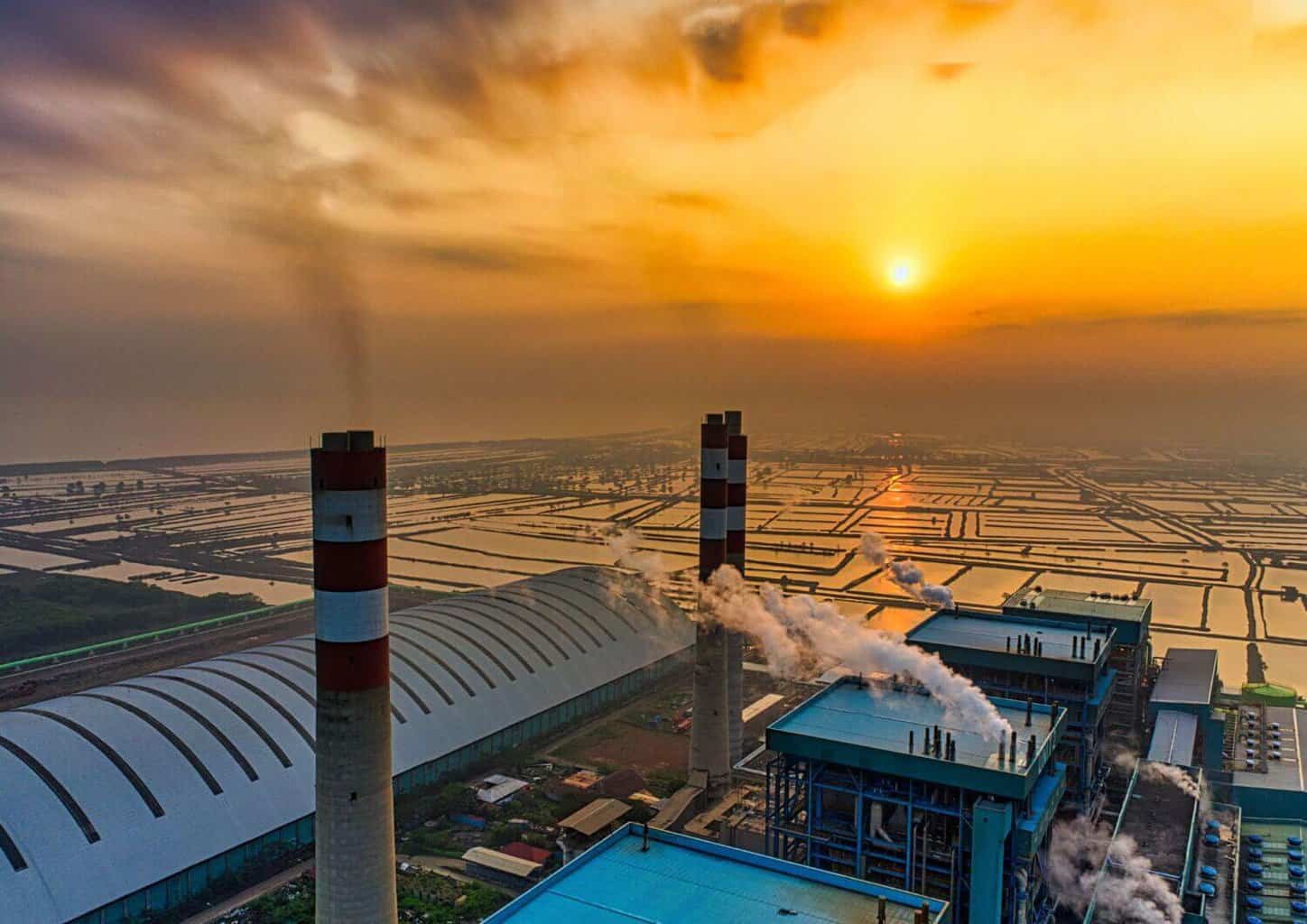
Carbon Capture and Utilization (CCU) and its Technologies
Industrial plant with smokestacks at sunset.
Carbon Capture and Utilization (CCU) and its Technologies

/*! elementor - v3.23.0 - 05-08-2024 */ .elementor-heading-title{padding:0;margin:0;line-height:1}.elementor-widget-heading .elementor-heading-title>a{color:inherit;font-size:inherit;line-height:inherit}.elementor-widget-heading .elementor-heading-title.elementor-size-small{font-size:15px}.elementor-widget-heading .elementor-heading-title.elementor-size-medium{font-size:19px}.elementor-widget-heading .elementor-heading-title.elementor-size-large{font-size:29px}.elementor-widget-heading .elementor-heading-title.elementor-size-xl{font-size:39px}.elementor-widget-heading .elementor-heading-title.elementor-size-xxl{font-size:59px}Overview Due to the combustion of fossil fuels and other human activities increasing greenhouse gas emissions, the world is now experiencing an unprecedented climatic catastrophe. One of the most promising methods to lower these gas emissions and lessen the consequences of climate change is to use carbon capture and utilization (CCU) technology. Extracting carbon dioxide from industrial sources, such as steel mills, power plants, and other industrial facilities,…

Read more
1448 1024 DEISO
DEISO Contact & Quotation Inquiry

Request Context

Indicate whether your request is related to a real project or organizational need.

Request Details Guidance

Provide a concise and technically relevant description of your request to support accurate evaluation and quotation.

To improve clarity and response speed, include:

  • Product, system, or organizational context
  • Requested service (e.g., LCA, EPD, PCF, GHG, Scope 3)
  • Objective (e.g., compliance, reporting, decision-making)
  • Target market or standard (e.g., EU, EN 15804)
  • Timeline or deadline (if applicable)

If your request is brief or unclear, our team may follow up to request additional details to support accurate technical evaluation.

Start Typing

Contact Info.

English Address:
Level 21 Shiodome Shibarikyu Building
1-2-3 Kaigan, Minato-ku
105-0022 Tokyo, Japan.

Japanese Address:
〒105-0022 東京都港区海岸1-2-3
汐留芝離宮ビルディング21階, 合同会社DEISO.

Phone (JP): 03-5403-6479 / 0488-72-6373
Phone (EN): 070-6969-7700
Fax: 03-5403-6475 / 0488-72-6373
Email: info@dei.so

Latest News

Engineering the Future of Sustainable Performance

Toggle Dark Mode