


Sustainability Project Execution & Technical Audit Services | DEISO
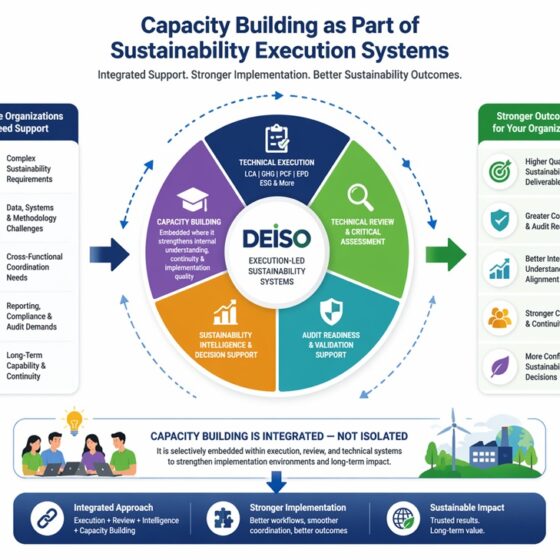
Sustainability Project Execution, Technical Audit & Compliance DEISO is an execution-led sustainability company delivering compliance-ready LCA, Scope 3, PCF, and EPD projects—supported by structured data systems, expert validation, and decision-focused sustainability intelligence. .deiso-core-statement { background: linear-gradient(135deg, #0b3c5d 0%, #094971 60%, #0e5f8c 100%); border-radius: 20px; padding: 50px 30px; margin-bottom: 50px; text-align: center; box-shadow: 0 18px 40px rgba(9, 73, 113, 0.18); position: relative; overflow: hidden; } .deiso-core-title { font-size: 34px; line-height: 1.3; font-weight: 900; color: #ffffff; margin-bottom: 18px; letter-spacing: -0.4px; } .deiso-core-text…
Read moreBook a Business Discovery Meeting | DEISO
Book a Business Discovery Meeting
Read moreRapid Sustainability Intelligence & Data Review Services Hub
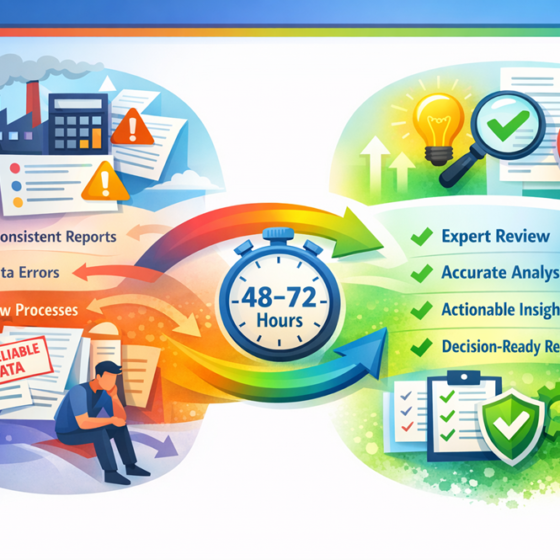
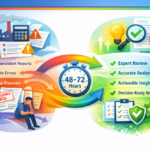
Rapid Sustainability Intelligence & Data Review Services Hub The DEISO Rapid Sustainability Intelligence & Data Review Services Hub provides focused, expert-led assessments designed to identify data gaps, inconsistencies, methodological risks, and decision-critical issues across your sustainability workflows. Each service is structured to deliver clear, actionable insights within 48–72 hours, enabling organizations to move from uncertainty to confident reporting, validation, and strategic decision-making. Explore Rapid Sustainability Intelligence & Data Review Services Rapid expert-led review services designed to identify technical risks, data…
Read moreDEISO Agri & Industrial LCI Database | Literature-Based Emission Factors for LCA, PCF & Scope 3
Product Coverage, Data Philosophy, and Practical UseA literature-based database designed to capture all available emission factors and inventory datapoints across agriculture and industrial systemsThe DEISO Agri & Industrial LCI Database™ provides structured coverage across a defined set of products derived from scientific literature, including emission factors and full inventory datapoints. The database currently includes:Agriculture & CropsRice, Corn, Sugarcane, Sugar beetTomato, CucumberCacao, Coffee, TeaPalm oilLivestock & Animal ProductsBeef, Pork, Chicken, LambMilk, Cheese, Meat productsFood & Beverage ProcessingBeer productionChocolateProcessed and canned food…
Read moreWhy AI Cannot Replace Training Programs | Expert Insight by DEISO
training programs.For organizations operating in sustainability, engineering, EPD) may use AI to understand EN 15804 requirements. However, without expert training, they may:Misinterpret system boundaries (A1–A3 vs A1–A5)Apply incorrect allocation rulesFail pre-verification checksA trained professional avoids these costly errors through guided interpretation and applied learning.3. Skill Building Requires Practice and Feedback — AI Cannot Evaluate CompetenceWhat Happens in Real TrainingTraining programs involve:Hands-on exercisesLive correctionsExpert feedback loopsPerformance validationWhy AI Fails HereAI cannot reliably assess whether a learner’s work is:Technically correctCompliant with standardsProfessionally…
Read moreCase Studies
Case Studies Life cycle Assessment (LCA) Case Studies
Read moreIntroducing LCA Software Coaching (1:1) for openLCA, SimaPro, GaBi
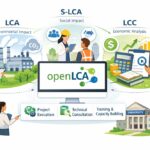
openLCA, ESG and carbon professionalsengineers working with LCA toolsIf you already use openLCA, SimaPro, or GaBi —this service is designed for you.Purpose of the serviceTo help experienced users:learn new topics in openLCA, SimaPro, or GaBiimprove knowledge in selected areasdevelop advanced modeling capabilitiesstrengthen practical LCA software skillsExplore the Coaching ProgramsopenLCA Coaching />SimaPro Coaching /> .deiso-lca-cta-wrap{ background: linear-gradient(135deg, #f6fbf7 0%, #ffffff 100%); border: 1px solid #d4e9da; border-radius: 22px; padding: 34px; box-shadow: 0 12px 34px rgba(0,0,0,0.06); box-sizing: border-box; overflow: hidden; position: relative; }…
Read moreHow to Calculate Scope 3 Emissions (GHG Protocol Guide)
How to Calculate Scope 3 Emissions: A Practical Guide Based on the GHG Protocol Organizations worldwide are increasingly required to measure and report greenhouse gas emissions across their value chains. While Scope 1 and Scope 2 emissions are often relatively straightforward to quantify, Scope 3 emissions typically represent the largest and most complex portion of a company’s carbon footprint. In many industries, Scope 3 emissions account for 70–95% of total corporate greenhouse gas emissions. As a result, companies are under…
Read more