
Advancing LCA Capability in Waste Management Research: Delivering Specialized LCA & openLCA Training for UDST (Qatar)
Executive Summary
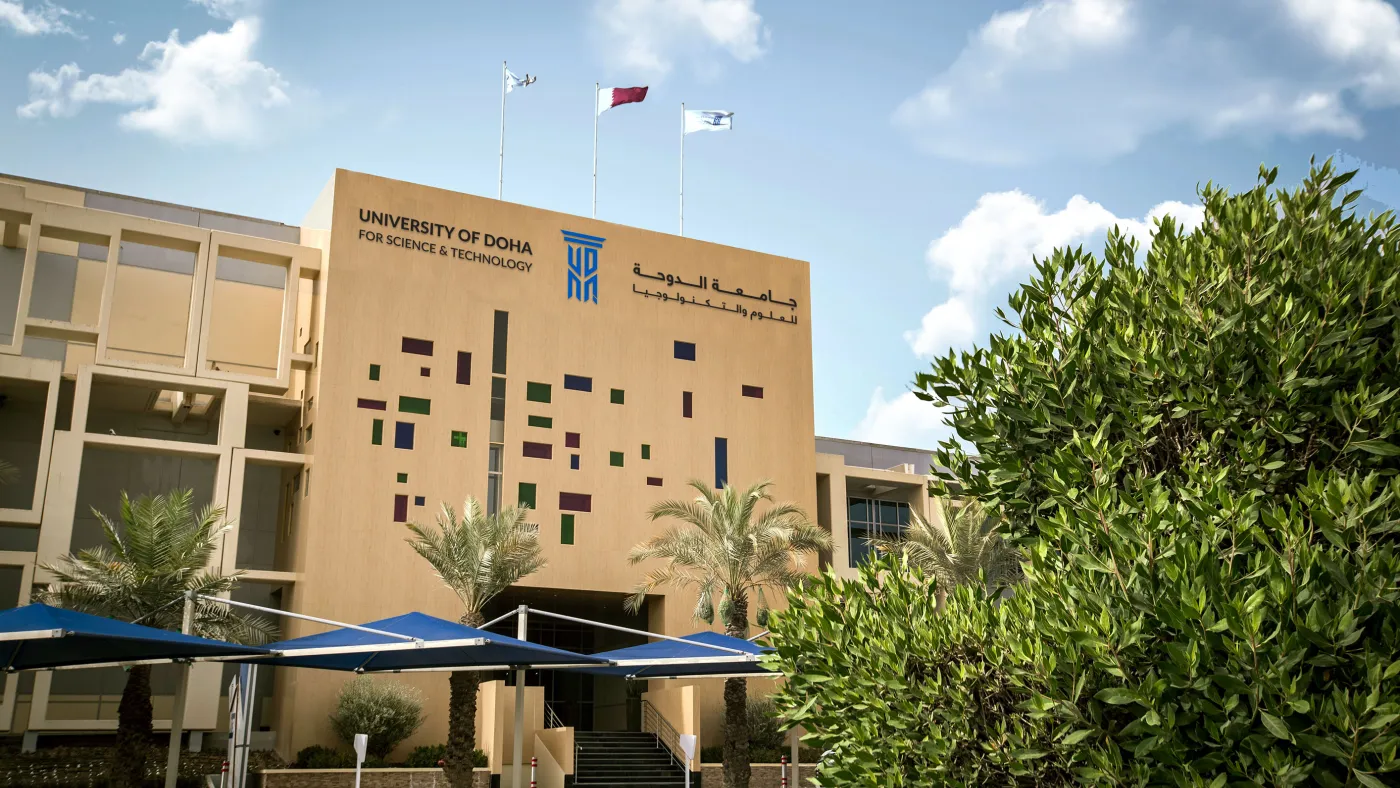
DEISO delivered a five-day on-site Life Cycle Assessment (LCA) training program at the University of Doha for Science and Technology (UDST), Qatar. The program was tailored for researchers, students, and academic staff, focusing on waste management systems and combining LCA methodology with openLCA-based modeling. Participants developed the capability to conduct applied environmental assessments within research and academic contexts.
Client Profile
- Organization Type: Academic and Applied Research Institution
- Institution: University of Doha for Science and Technology (UDST)
- Region: Qatar
- Audience Profile: Master’s students, researchers, lecturers, and assistant professors
- Participants: 11 attendees
- Delivery Format: On-site training
Strategic Challenge
The academic group required practical capability in applying Life Cycle Assessment within research contexts, particularly in waste management systems. While participants had theoretical exposure, key challenges included:
- limited experience in applied LCA modeling for waste systems
- difficulty translating academic knowledge into structured LCA studies
- lack of hands-on skills in openLCA software
- challenges in handling multi-stage waste management processes and data
- need to integrate LCA into research outputs and academic work
DEISO Intervention
DEISO designed a specialized LCA training program focused on waste management applications, integrating methodological rigor with practical modeling using openLCA.
1. LCA Methodology for Waste Management Systems
- goal and scope definition for waste treatment systems
- functional unit selection for waste streams
- system boundary definition across collection, treatment, and disposal stages
2. openLCA Modeling and Implementation
- building waste management models in openLCA
- integration of datasets and emission factors
- structuring Life Cycle Inventory (LCI) for waste flows
3. Impact Assessment and Interpretation
- application of impact assessment methods
- identification of environmental hotspots in waste systems
- interpretation of results for research and publication purposes
👉 The program was tailored to bridge academic research and applied LCA modeling capability.
Technical Execution
The training was delivered over five business days (June 19–23, 2023) and included:
- hands-on modeling using openLCA software
- development of waste management LCA models
- structured exercises in LCI data organization
- application of impact assessment methods
- interpretation of results in a research and academic context
Waste Management Focus
- modeling of waste collection, treatment, and disposal stages
- handling multi-output processes and allocation challenges
- evaluation of environmental impacts across waste lifecycle systems
Participants worked on applied scenarios reflecting real waste management systems.
Measurable Outcomes
By the end of the program, participants achieved:
- ability to develop LCA models for waste management systems
- ~65% improvement in modeling and system structuring capability
- enhanced skills in openLCA-based implementation
- improved understanding of impact assessment and interpretation
- ability to integrate LCA into academic research and publications
- increased confidence in applying LCA to real-world environmental systems
Strategic Value for Participants
Participants transitioned from:
Theoretical understanding → Applied research-grade LCA capability
This enabled:
- integration of LCA into research projects and academic outputs
- development of data-driven environmental studies
- improved ability to evaluate and compare waste management strategies
Why This Matters
In academic and research environments, the value of LCA lies in its ability to support evidence-based environmental analysis.
This engagement demonstrates the importance of:
- combining academic knowledge with applied modeling skills
- focusing on domain-specific applications such as waste management
- enabling researchers to produce high-quality, data-driven studies
👉 The result is not just training — but enhanced research capability with real-world environmental relevance.
Related DEISO Training Program
Life Cycle Assessment (LCA) Professional Training | Expert-Led ISO-Aligned Program
Engage with DEISO
Develop advanced LCA capability for academic, research, and applied environmental studies.
- 📅 Schedule a Strategic Consultation:
https://dei.so/schedule/ - 📩 Request a Quote:
https://dei.so/contact-form/
Explore Training Programs
Explore DEISO’s full training portfolio and identify the program that aligns with your goals, experience level, and technical requirements.
Explore Training ProgramsTraining Case Studies
Explore real-world training engagements delivered by DEISO, showcasing how professionals and organizations build practical, verification-ready sustainability capabilities.
View Case Studies →Ask AI About a Training Program
Get instant guidance and explore specific training programs by chatting directly with the DEISO AI assistant.
Ask DEISO AIWhy DEISO Training
Understand why organizations choose DEISO for expert-led, practical, and globally delivered training programs.
Why DEISO TrainingWhat Makes DEISO Training Premium?
Discover DEISO’s premium delivery model, advanced training methods, and globally trusted expertise.
Discover Premium TrainingTraining FAQ
Review key details about delivery formats, scheduling, certification, and program structure.
View FAQRequest a Training Quotation
Ready to proceed? Request a quotation tailored to your selected training program and delivery format.
Request a QuotationNeed Help Choosing the Right Training?
Schedule a consultation to receive expert guidance and select the most suitable training program.
Schedule Consultation